Pushing the e-cart ahead

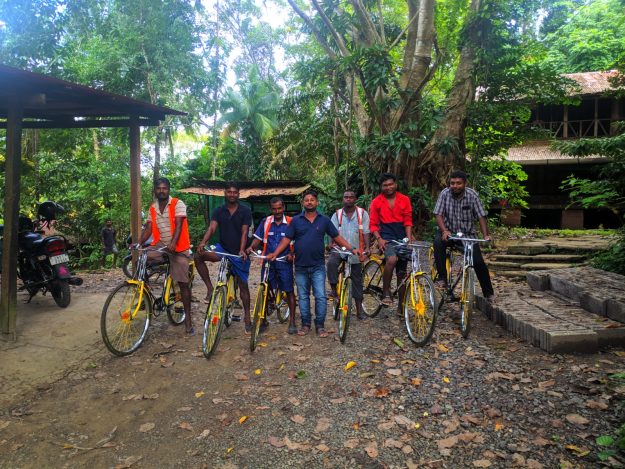
By SeaChange team, ANI | As we continue our efforts to improve the waste management system in Wandoor, one of the biggest roadblocks that we can’t seem to get around is the equipment and machines on which the system depends. Whether it is an incinerator to burn sanitary waste, a baling machine to compress the segregated waste or an electric vehicle which sanitation workers use to collect waste from across the village – a problem in any single one of these would ideally turn the system upside down.
Waste: Is It Merely A Matter Of Governance, Or Consumption, Or Just Litter?

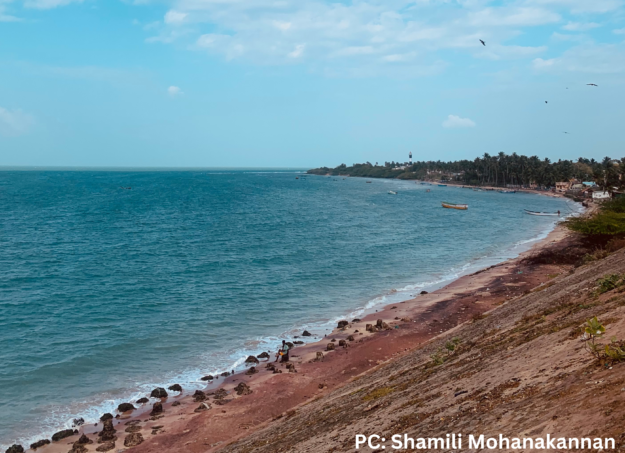
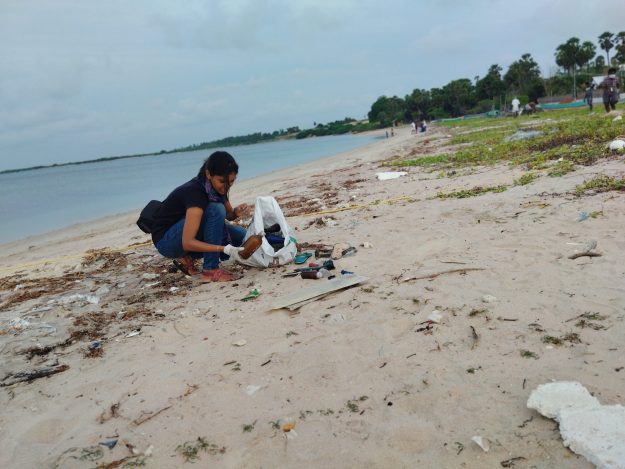
By Shamili Mohanakannan | Most of us would have always pondered what that green recycling symbol with some weird numbering at the back of our milk packet is (you might want to look at your soy milk carton, if you’re lactose intolerant). Or think about that one bamboo toothbrush brand that loves to call themselves ‘sustainable’ (forget their bristles and plastic cover on top of it), our toothpaste tubes, shower gels and cosmetic bottles (not to mention those exfoliating microbeads), those everyday tetra paks and sachets in our kitchen, that packed drink we’ve been bingeing on, those thin foils and Styrofoam boxes that has our food covered, that fancy zero-waste running shoes, in fact, our online deliveries that comes with never-ending plastic wrappers on it. You name it.

Neglected Voices

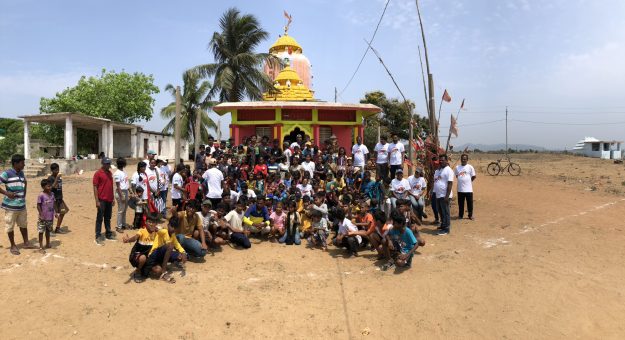
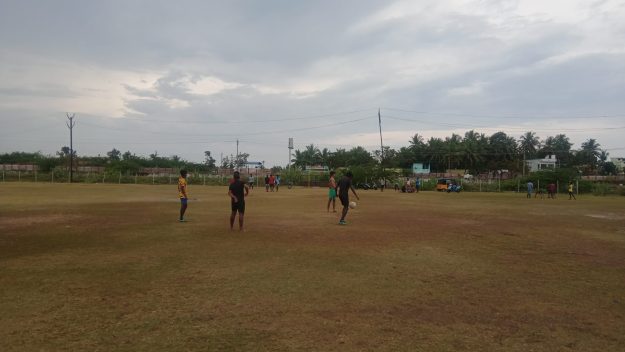
By Ithihaas R. | The most exciting aspect of my experience working in the development sector has been settling in a new place, interacting with the local community, and gaining their acceptance. Sports have always been a major bridge for me to connect with new communities. It was in the same interest that I approached local footballers when we first shifted to the field station in Pamban.

Collective step towards improved solid waste management in Andaman and Nicobar Islands

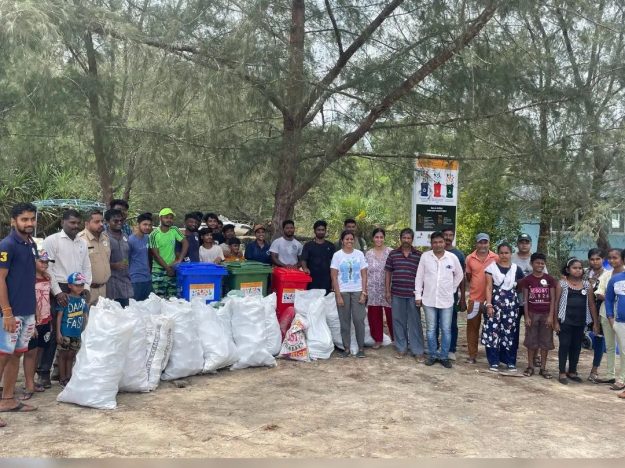
By SeaChange team, ANI | Waste management is a big challenge worldwide and it becomes even more challenging for islands due to their isolated geography. Solid waste management had emerged as a priority issue in the Andaman Islands when Dakshin conducted its health and environmental needs scoping study in 2019. The proper management of waste on land is also essential for preserving the delicate marine and coastal ecosystems, upon which different communities depend for fishing or tourism.

Reflecting on Three Months of Coastal Grassroots Fellowship

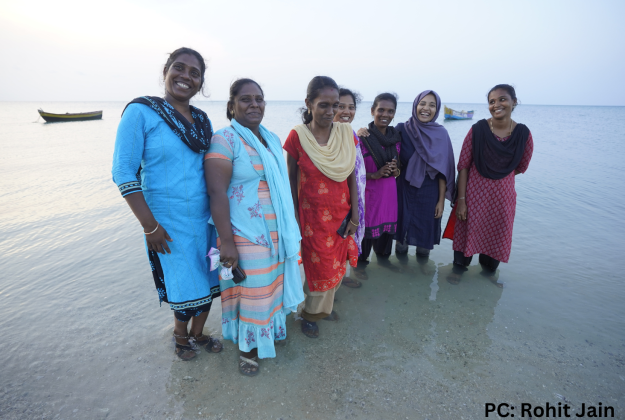
By Thisam Mahsana OK | The second cohort of Coastal Grassroots Fellowship (CGF) for women from coastal communities of the Palk Bay region of Tamil Nadu started last March with a wonderful group of twelve women. They were excited about this fellowship opportunity and the learning platform that it offered them. Together we developed the structure for the fellowship programme, keeping in mind the objective of enhancing their leadership qualities and capabilities. As a fellowship coordinator, it was thrilling to work with these amazing women.

Whose commons are they?

By Nayana Udayashankar | “What are ‘commons’?”

I posed the question to a room of fourteen women participants. One of them had a quick and ready answer.

“They are resources everyone can use. Like the roads; the seas; the beaches.”

“Do you really mean ‘everyone’? Will my boat get a space on the beach in your village?”

“Ummm…yes, I think so. If they are the commons, then you should be able to use them.”

I could see that even as she spoke those words, she was unconvinced by her own answer. She searched the room for assistance, and another participant pitched in. A spontaneous debate ensued and suddenly the whole room was abuzz.

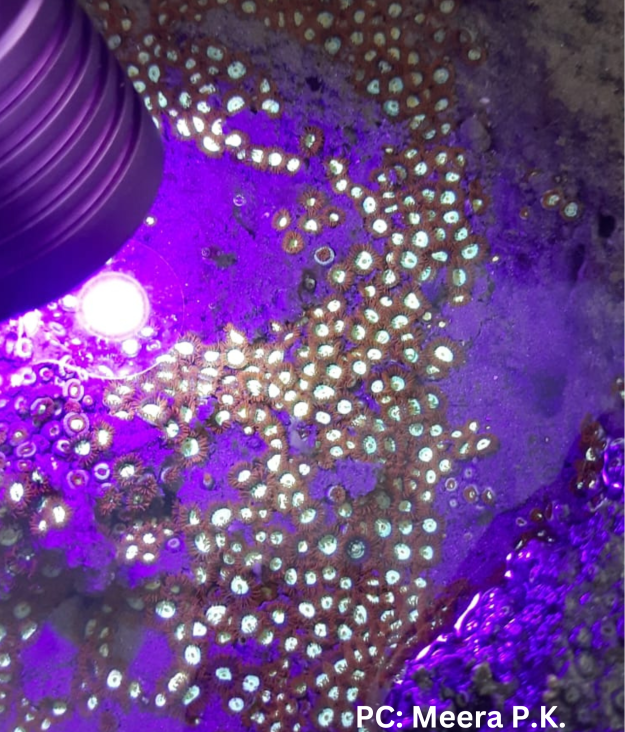
The surprisingly dazzling world of coral reefs

By Esha Gokhale | The world of coral reefs has always fascinated me. Did you know that the Great Barrier Reef in Australia, the largest coral reef system in the world, covers more than two thousand square kilometres?! What really got me thinking is how these massive and stunning reefs are built by such tiny animals. What are the early life-history processes that are responsible for building these habitats that house about 25% of all marine life? Which factors facilitate this reef-building and which ones deter? Determined to find answers to these questions, I dove into the world of coral settlement and recruitment last field season.