
Fisherwomen, fisheries and changing seascapes
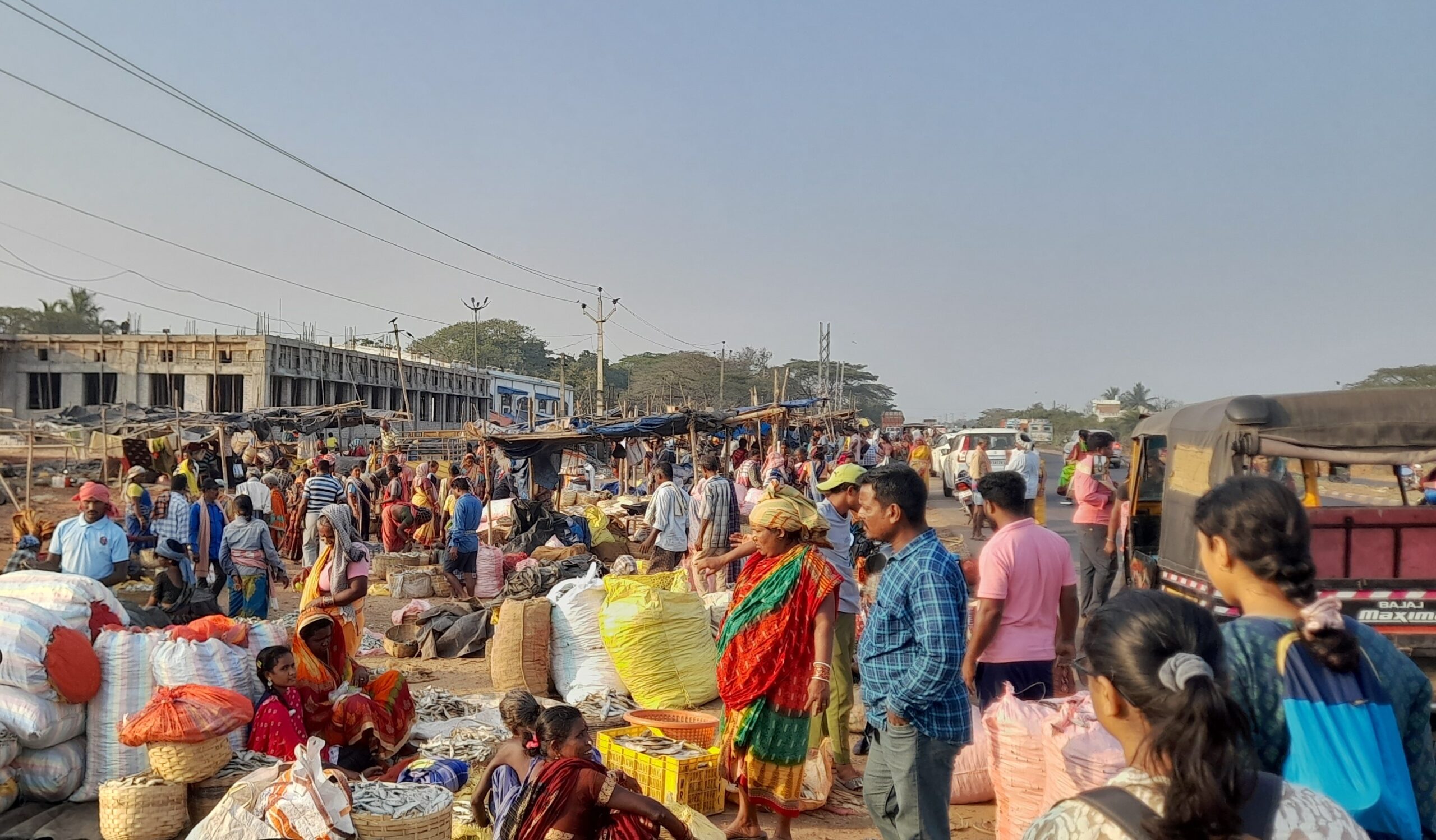
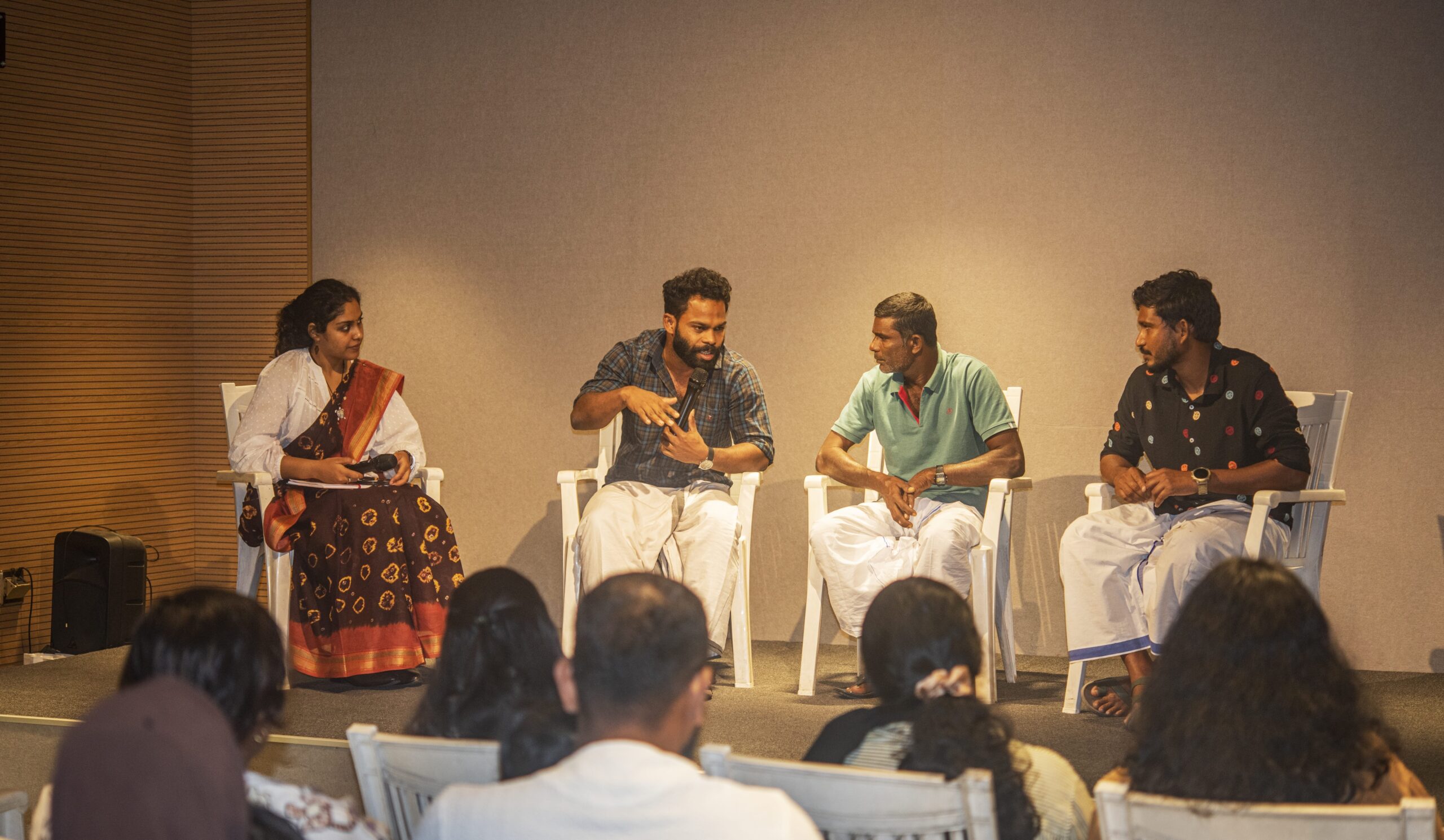
We closed 2025 with several celebrations! Last month, we observed World Fisheries Day with a screening of Misrav, followed by a panel discussion with fishers, researchers and practitioners from the Lakshadweep and beyond. For those who may not be familiar, World Fisheries Day draws global attention to the ecological, cultural and economic importance of fisheries, and to the coastal communities whose lives are deeply interwoven with the sea. It is a reminder of our shared responsibility to strengthen sustainable practices and safeguard the people at the heart of these systems.
November also brought another significant milestone for the sector: the first-ever International Fisher Women’s Day (5th November). Rooted in decades of organising by fisherwomen’s collectives across Asia, Africa, Latin America and Europe, IFWD highlights the long, interconnected struggle for gender justice, livelihood rights and environmental integrity in small-scale fisheries. It calls on the world to recognise fisherwomen not as “helpers”, but as central actors whose labour, knowledge and leadership sustain coastal communities.
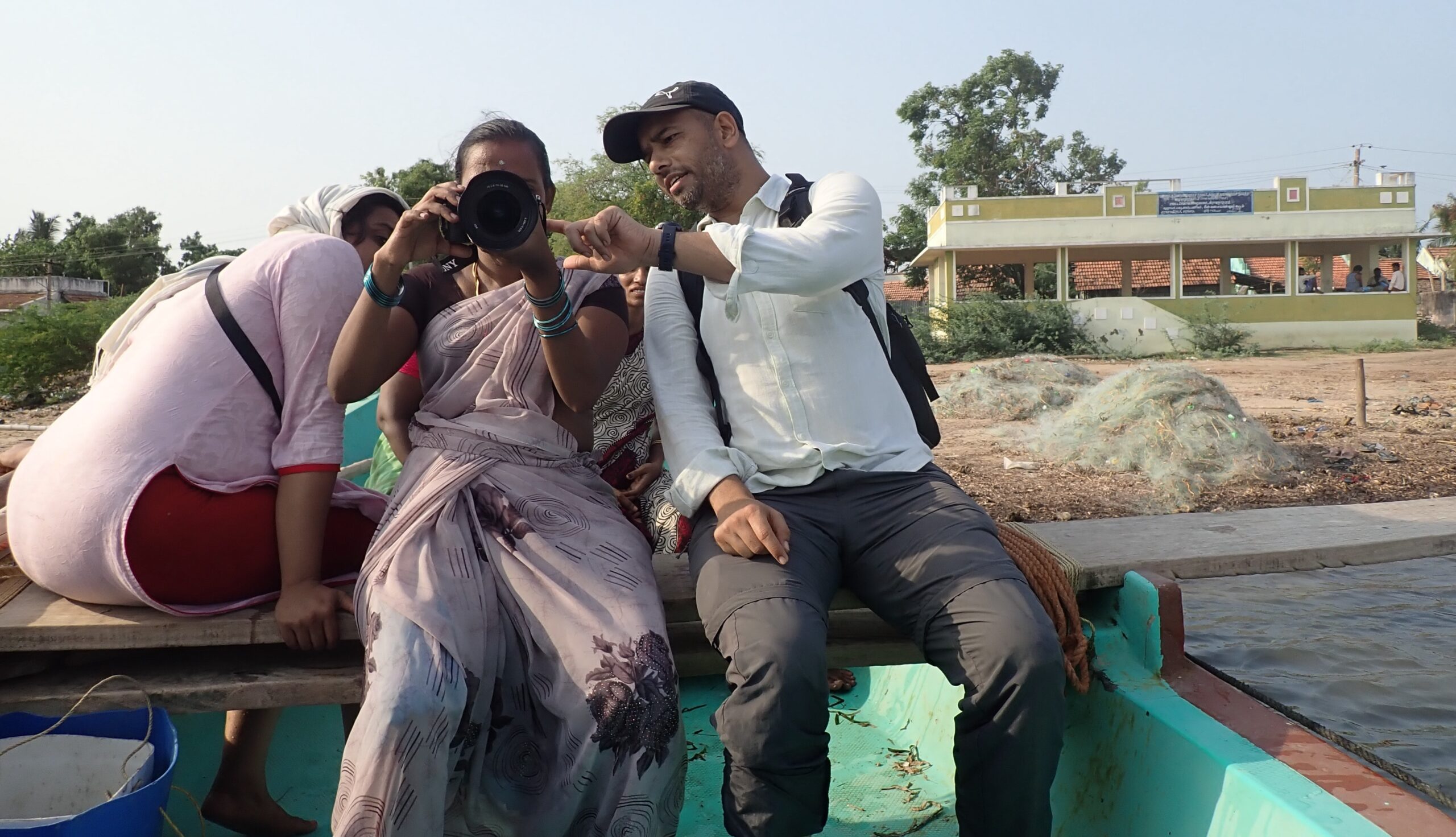
In 2021, Dakshin Foundation launched the Coastal Grassroots Fellowship, an experiential programme designed to support women from small-scale fishing families to strengthen their leadership skills, build confidence and become spokespersons for their ecosystems and communities.
We are thrilled to share three films that document the journeys of our fellows and the coastal spaces they are working to reclaim.
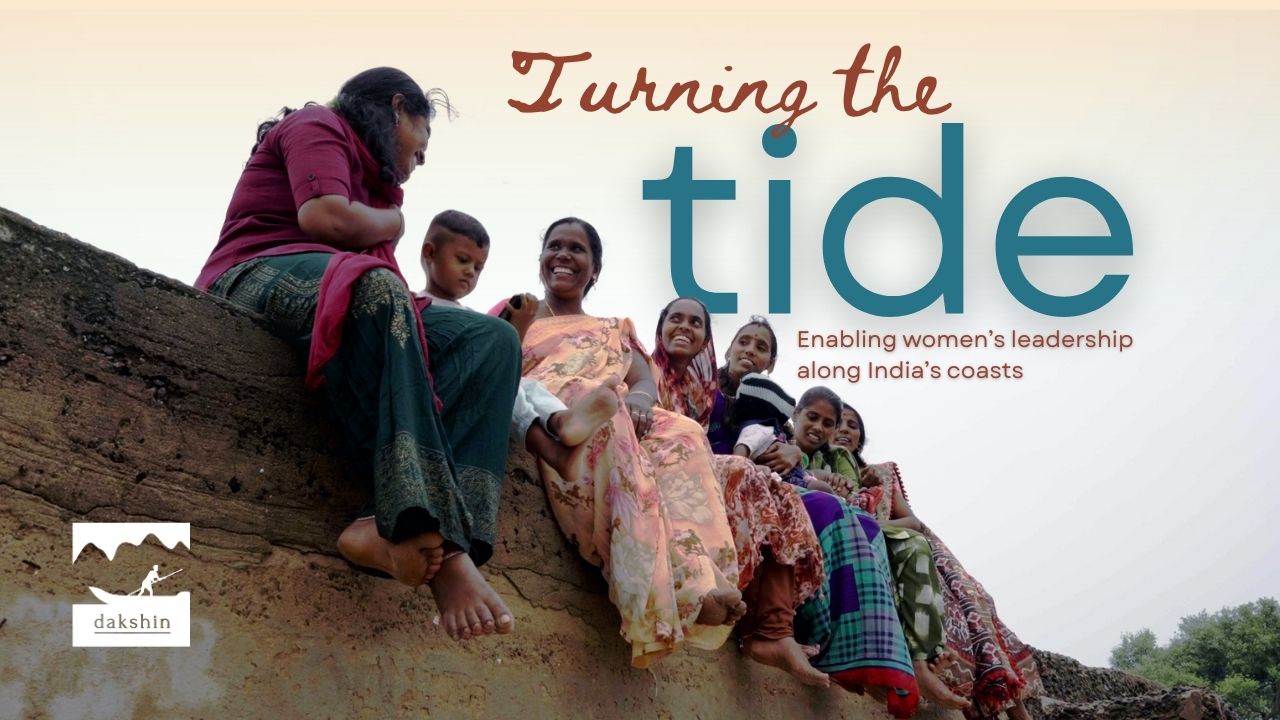
Turning the Tide
This film captures the essence of the Coastal Grassroots Fellowship through the lens of the fellows. It follows their journey of learning, collaboration and leadership, and shows how the programme is helping women build recognition, agency and a stronger voice within their communities.
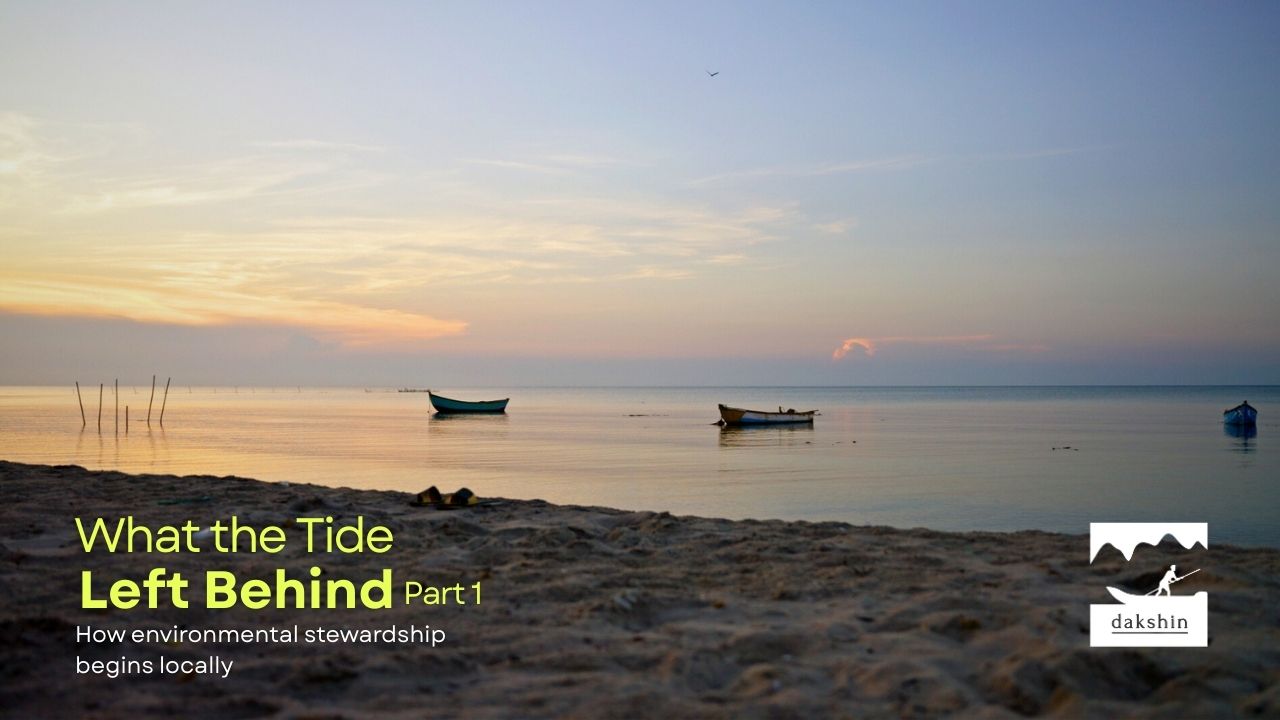
What the Tide Left Behind | Part 1
Muthulakshmi’s journey to restore her shoreline
What the Tide Left Behind follows Muthulakshmi, a Coastal Grassroots Fellow from Morpannai, Tamil Nadu, as she traces how plastic waste has transformed her village’s shoreline and her own efforts to restore these spaces. Supported by local youth and other Fellows, she takes small but steady steps to make her coastal village litter-free.
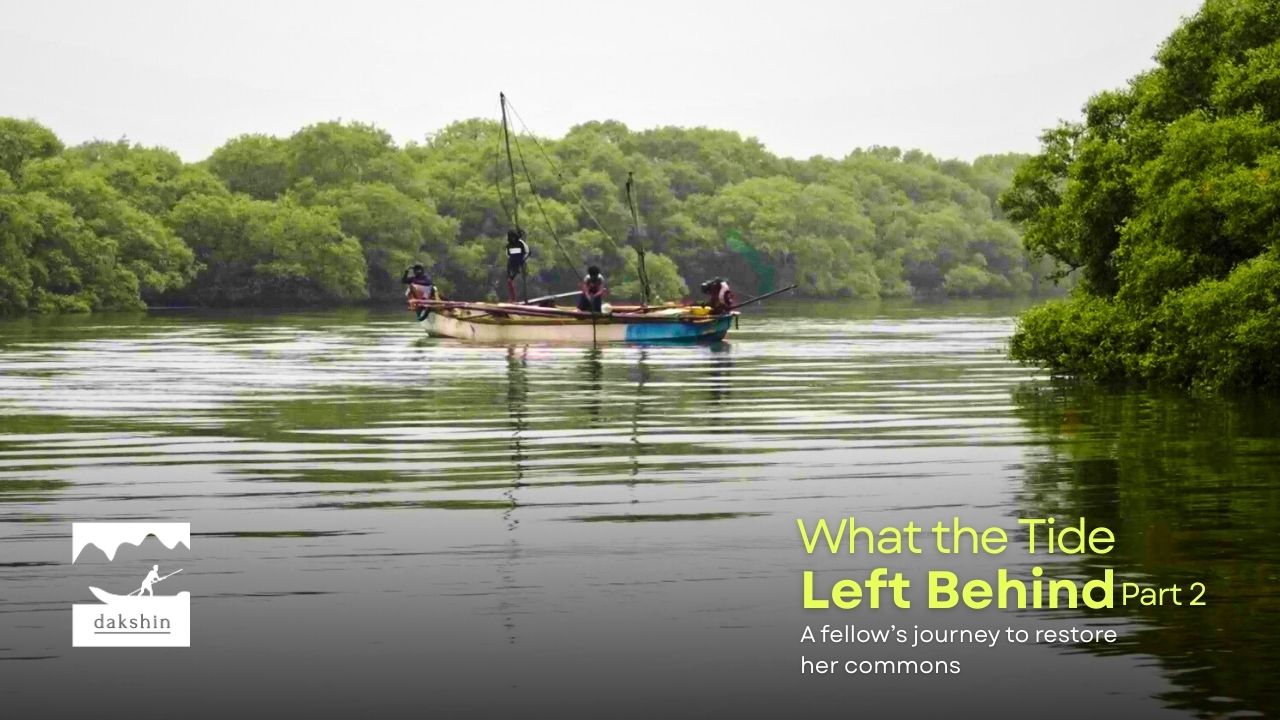
What the Tide Left Behind | Part 2
Josephine’s efforts to restore Tamil Nadu’s Aatruvaai
Josephine is a Coastal Grassroots Fellow from Karangad, Tamil Nadu. The film follows her efforts to understand what happened to the village’s river mouth, a place central to her childhood that is now buried under plastic waste. She speaks to elders, maps changes and begins conversations on how the community can reclaim and restore this shared space.
Together, these films offer a window into how coastal women are responding to rapidly changing environments and carving out new opportunities for leadership, representation and stewardship.
Along with these films based on women leaders of the Palk Bay, we are also thrilled to share with you Olaikal Ulagam, a film that turns our attention to the Palk Bay’s blue crab fishery.
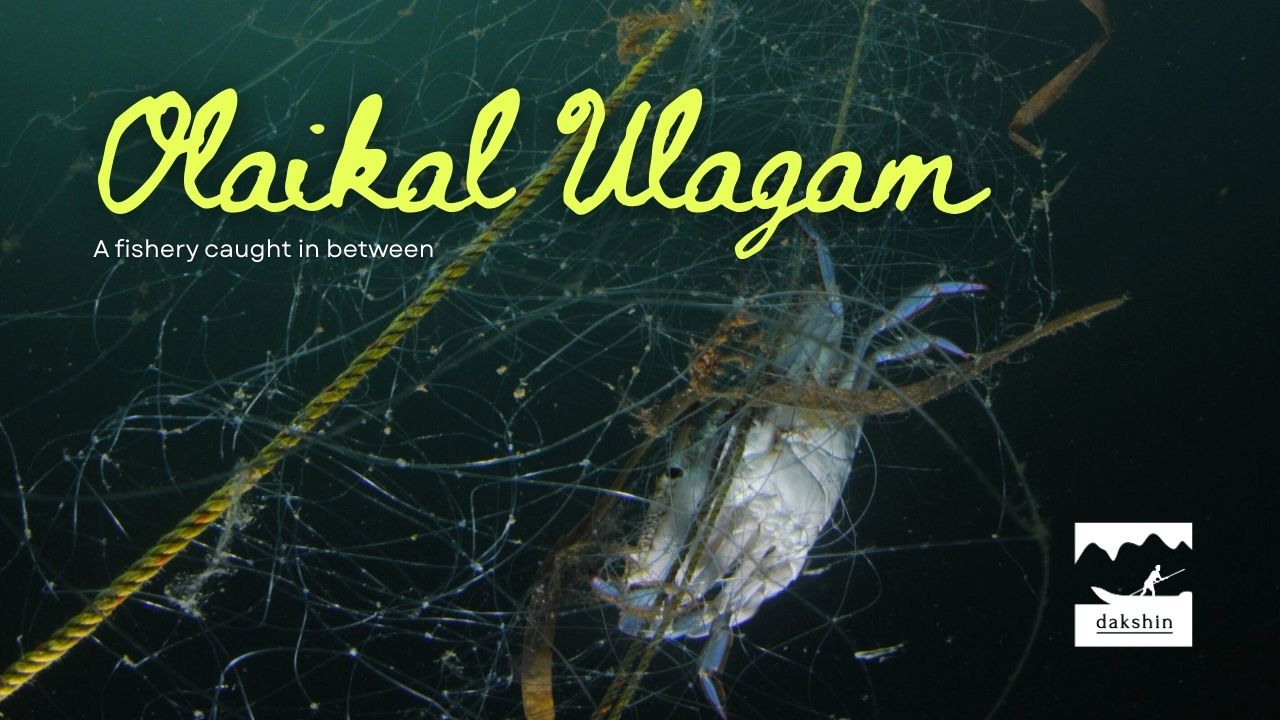
Olaikal Ulagam
Set in the coastal waters of the Palk Bay in southern Tamil Nadu, the film traces how ecological decline, market pressures and uneven policy support are reshaping the livelihoods of small-scale fishers. Olaikal Ulagam centres the reflections of fishers and fishworkers as they speak about these changes, the uncertainties they face and the possibilities they envision.
The film underscores the relevance of co-management as an approach and pathway to secure the future of the fishery and restore a more equitable balance between communities and the sea.
Across our programmes, we continue to learn from the knowledge, experience and resilience of coastal communities. These films were created to document the changes they are witnessing, the questions they are raising and the futures they are working towards.