
Field exchange visit: Andaman islands to Ganjam mainland
by Anand Rao
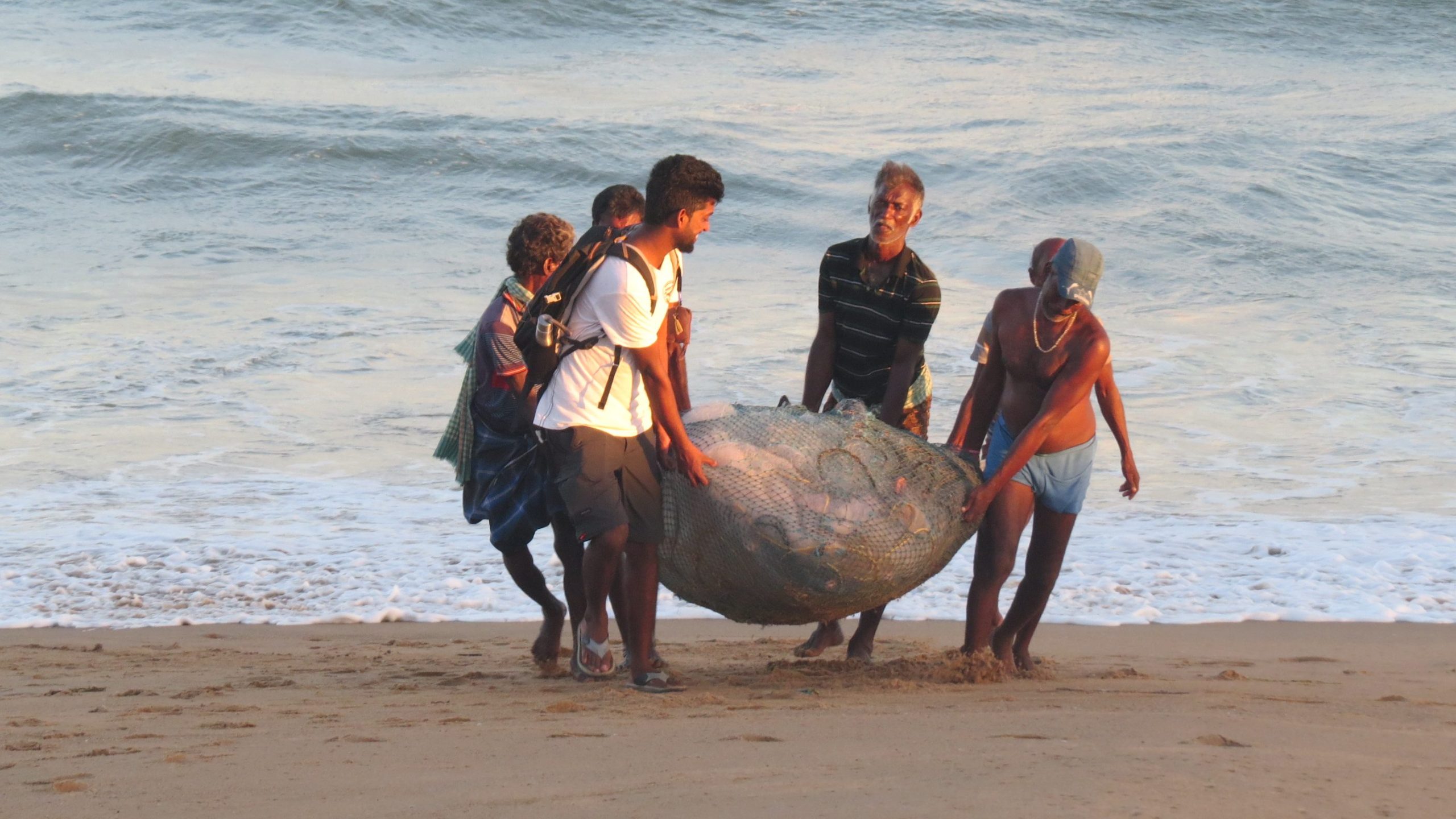
Dakshin gave me the opportunity to do a one month field exchange visit from Andaman and Nicobar Islands (ANI) to Ganjam, Odisha from 15th August to 15th September 2022. Ganjam is a coastal district of Odisha, located at the Andhra-Odisha border. This makes it an interesting place culturally and linguistically as there are groups of people who speak Telugu, Odia and Hindi. Fishing is the primary source of livelihood for most of the communities.
In the one month I spent there, I visited 9 fishing villages i.e. Nolia Nuagaon, Podampetta, Gokharkuda, Purunabandha, Arjyapalli, Chatrapur, Anantaraipur, Niladripur, and Padampetta. During this time, I had multiple conversations with various stakeholders with no agenda in mind, which allowed me to closely understand the lives of the Odia fishers. It was quite literally like moving from being an island fisher to a mainland fisher!
I was curious to know the difference between Ganjam and the Islands, as they are both fishing areas but the geographies, cultures, and communities are so different. I wanted to explore these perspectives and understand them, especially in comparison to the islands. I felt most connected to the fishing communities, because I too am a fisherman at heart. This commonality between us made connecting with them a lot easier, as I was able to empathise with a lot of their perspectives. The discussions we had ranged from local cultures, to types of fish, nets, fishing techniques, boats and their day to day lives versus mine in the islands growing up. I also talked about traditional functions we do at Andaman, and asked them what they do.
I enjoyed how happily the fishing community there connected with me. It was an emotional experience for both of us to share our daily news together. They expressed their feelings about the whole experience with a beautiful line in Hindi – “Aisa lag raha tha bahut saal pehele do bhai bichad gaye, aur abhi vapas mil gaye Ganjam ke samudar ke coast pe” [It feels like two brothers who were separated many years ago have reunited on the coast of Ganjam].
I learnt that the majority of fishermen prefer spending their free time on the beach and even sleep there as the calm and comfortable night breeze helps them get a good night’s sleep. They wake up at three in the morning and head out for fishing. The food they eat, locally called pakali, is a simple preparation of fermented rice gruel, water and salt.
Traditional fishing techniques and practices of Ganjam fishers have all evolved around the specific geographical conditions of that coastal area such as ocean currents, winds and wave action. They structure their boat in accordance with the East Coast currents, which are very rough and unique to that zone. The gears, crafts and techniques that fishers use vary from season to season. Fishing is always done in groups because the waters are deep and rough, and the fishing nets too are sturdy. Fishing is done closer to the coast, on multiple day trips. For a family to own a traditional motorised boat is a big achievement. The waters of the Andamans are much more calm in comparison, so commuting in boats is easier in the Islands. The fishing nets are finer and lighter. Island fishermen travel long distances for fishing, on trips that are 7-10 days long.
Fishing in Ganjam is done in groups of 5-7 fishers in a boat, and they follow a cash sharing system. Eg. after fuel cost deduction, profits from the catch are divided into shares. One share goes for the boat, one share goes to the net and 5 shares for the crew. The boat owner’s wife gets the first priority on trading/sales of her share of the fish. This system is also followed in the Andamans.
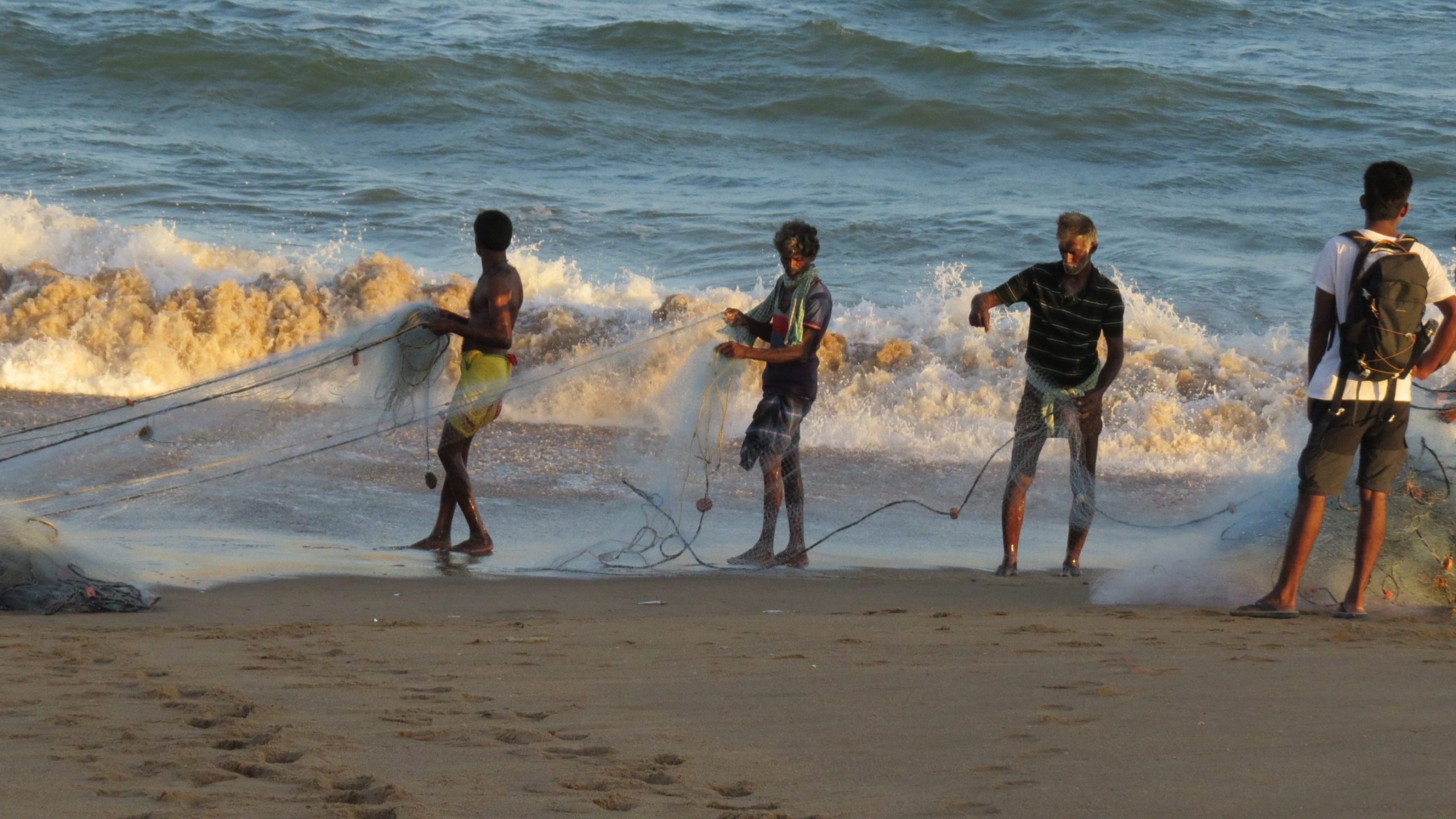
I was most interested in the challenges Ganjam fishers faced. The Ganjam coast is highly prone to turbulent winds and heavy cyclones, which occur quite frequently. These cyclones result in a high amount of coastal erosion, posing severe challenges to fishers. Even though the Andamans also have cyclones and erosion, it is much less risky than it is in Ganjam.
Every year the biggest challenge for the fishing community of Ganjam is a Fishing Ban that lasts for upto 9 months in a year, covering both the breeding season of key fish species (April 15 to June 15) and the Olive Ridley Turtle nesting season (November 1 to May 31). This is a big source of unhappiness for the Ganjam fishers as well as the women of the community who sell the catch in the market. The highest migration in Ganjam’s fishing communities happen because of the fishing ban which pushes them to move to far away states like Kerala, Maharashtra, Gujarat, Andhra Pradesh, ANI, Goa and Tamil Nadu.
The Andaman Islands are very different. Fishers are free to carry out fishing activities through the whole year – there is no concept of fishing ban. There are some migrant fishermen from Ganjam who live in Andaman and do fishing activities there.
Small scale fishers of Ganjam are also suffering due to trawler fishers from other states fishing in their waters. The women had gathered together and put up a strike against authorities to protect small scale fisher losses from this. The same thing is happening even in the Andaman Islands, where traditional fishers are also suffering due to competition from trawlers.
In the interior part of the villages, waste management is a significant concern. During multiple field visits, I observed that waste is scattered randomly around the villages. This is causing numerous health and environmental problems. There are similar problems in the Islands, but a higher number of initiatives by both government and non government are being taken to effectively manage waste.
My interaction with children in Ganjam was full of mixed feelings for me. Many of them are very active in sports and they love to play cricket on the beach, which is nice. However, I observed that a lot of children had dropped out of school at age of 10 to support their fathers in fishing activities. While I was happy to know that children are not losing the skills of fishing, it should not be at the cost of education. In the Andamans, youth and children do both fishing and pursue education, but the quality of education they get is low. I often think about the cricket matches I played with children by the beach, and sharing stories with them about Andaman.
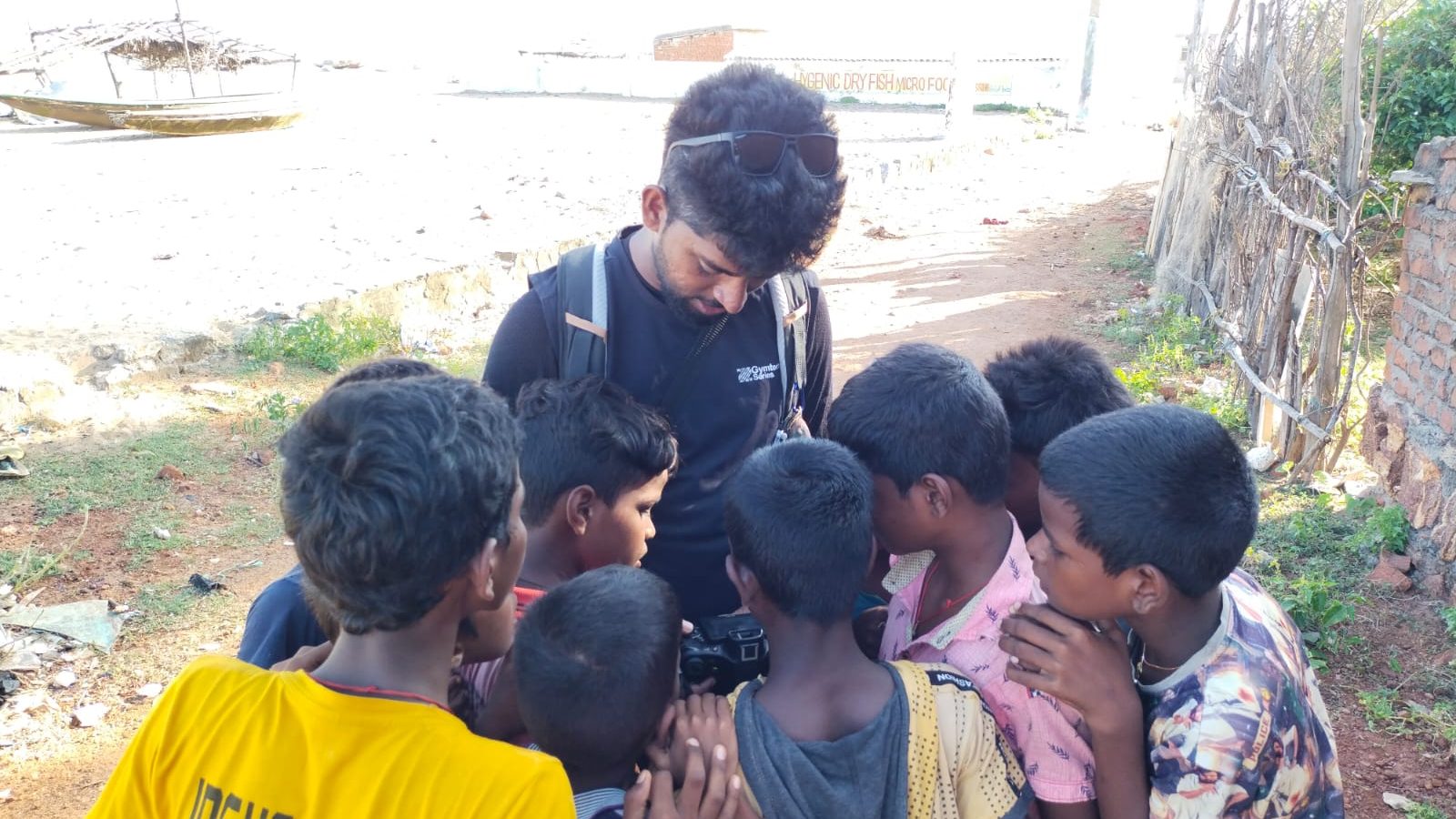
I spent a lot of time exploring Ganjam and celebrated a local festival with the community. I have had many deep discussions that helped me paint a picture of the day to day life in Ganjam. They all taught me things I would have never learned from reading books. I also learnt a lot from spending time with youth who were Dakshin Grassroots Fellows.