Documentaries and Audio-Visual Material

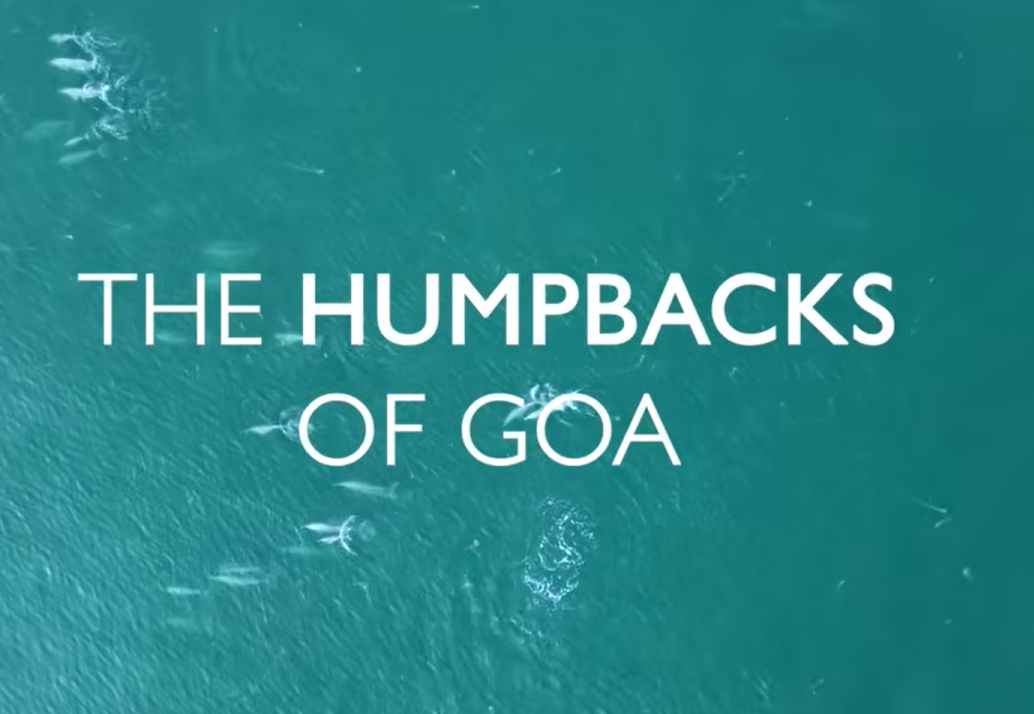
Goa is a major hotspot for the endangered Indian Ocean humpback dolphin that occurs within 2 km of the coastline, yet remains a mystery to most. Goan waters are rich in fish and are important to fishers and locals alike. The abundance of dolphins has also supported a strong dolphin-watching industry in the region over the past decades. However, today the dolphins face major challenges from fisheries, tourism, pollution and several other human activities. Our film is based on the work of Dakshin researcher and IISc scholar Imran Samad. It aims to bring tourists and locals watching the mysterious dolphin one step closer to them while highlighting how simple collective actions can help safeguard their future in Goa.

Watch the documentary here.

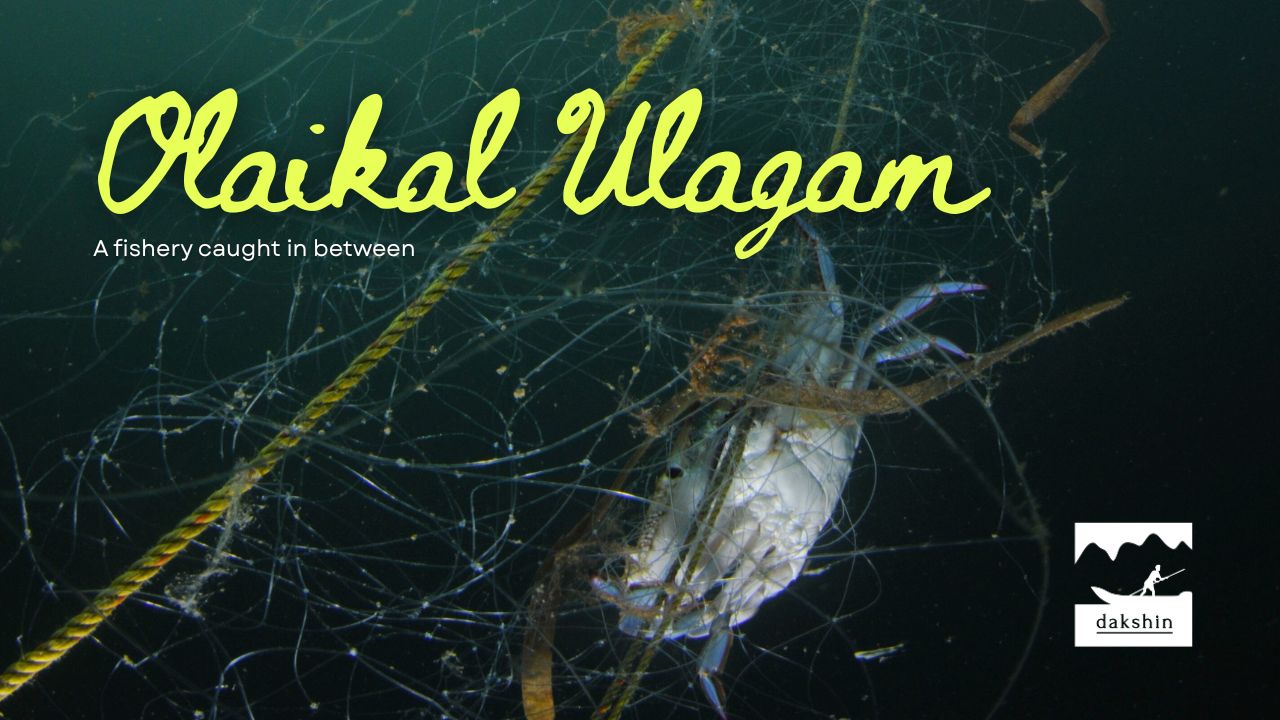
In the coastal waters of Palk Bay, Tamil Nadu, generations of fishers have harvested blue crabs using traditional, low-impact methods passed down by their ancestors. These practices, rooted in harmony with the sea, have sustained both livelihoods and marine habitats for centuries.

Today, that balance is shifting. As export markets expand and subsidies favour mechanised trawlers, small-scale fishers are left without similar support. The loss of seagrass beds, caused by bottom-trawling, threatens crab populations and the livelihoods that depend on them. Many fishers are being forced to move away from the sea and the traditions they have upheld, in search of alternate livelihoods.

Olaikal Ulagam captures the experiences of fishers and fishworkers as they reflect on their knowledge, challenges and hopes for the future. It highlights co-management as a pathway to secure the future of Palk Bay’s blue crab fishery, and to gradually restore balance between communities and the sea.

Watch the documentary here.

Aatruvaai means “river mouth” in Tamil. Once central to daily life in Karangad, Tamil Nadu, this stream fed mangroves, opened into the sea and created a shared space where coastal families bathed, gathered and prepared for work. Over the years, increasing plastic waste blocked the inlet and the stream disappeared beneath layers of litter.

In this film, Josephine, a fellow of Dakshin Foundation’s Coastal Grassroots Fellowship, traces what happened to the river mouth. She listens to elders, documents how the space has changed and begins conversations in her village about how these commons can be restored and cared for again. Her story highlights the impact of the Coastal Grassroots Fellowship, a year-long experiential programme that builds leadership among coastal women and enables them to understand, reclaim and strengthen the coastal spaces their communities depend on.

Watch the documentary here.

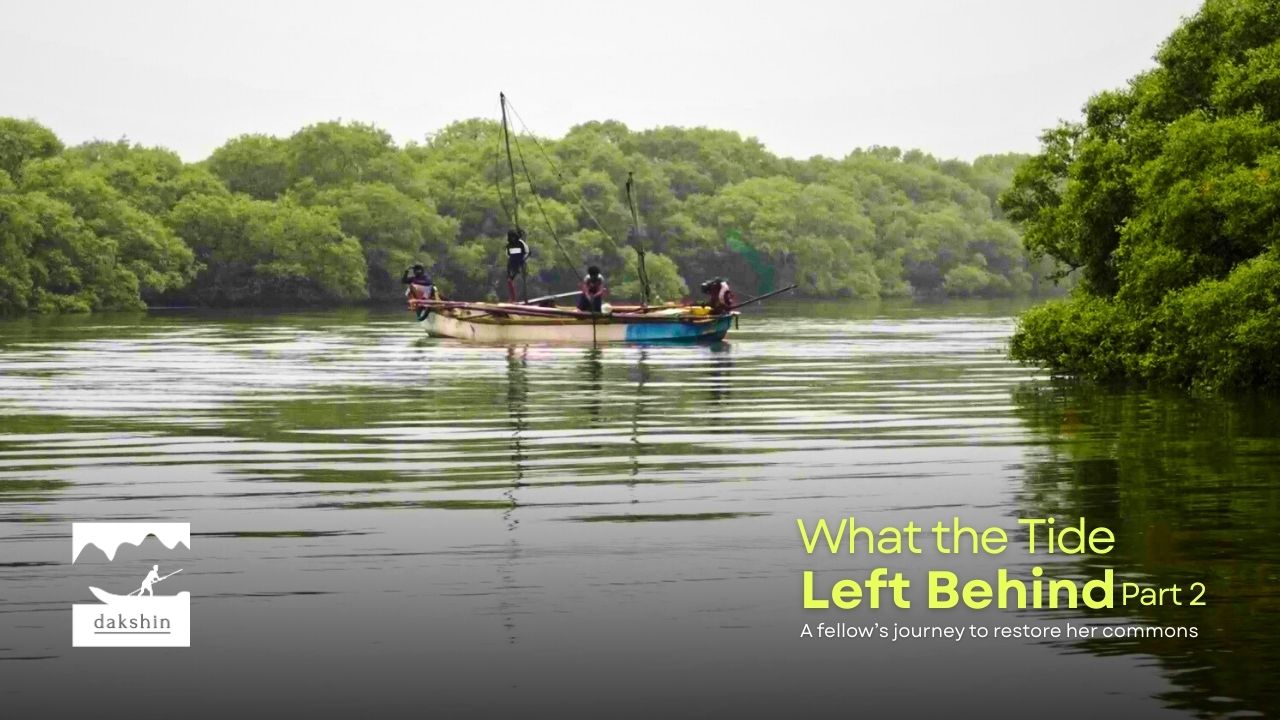
This is the story of one woman’s determination to reclaim her village’s coastline.

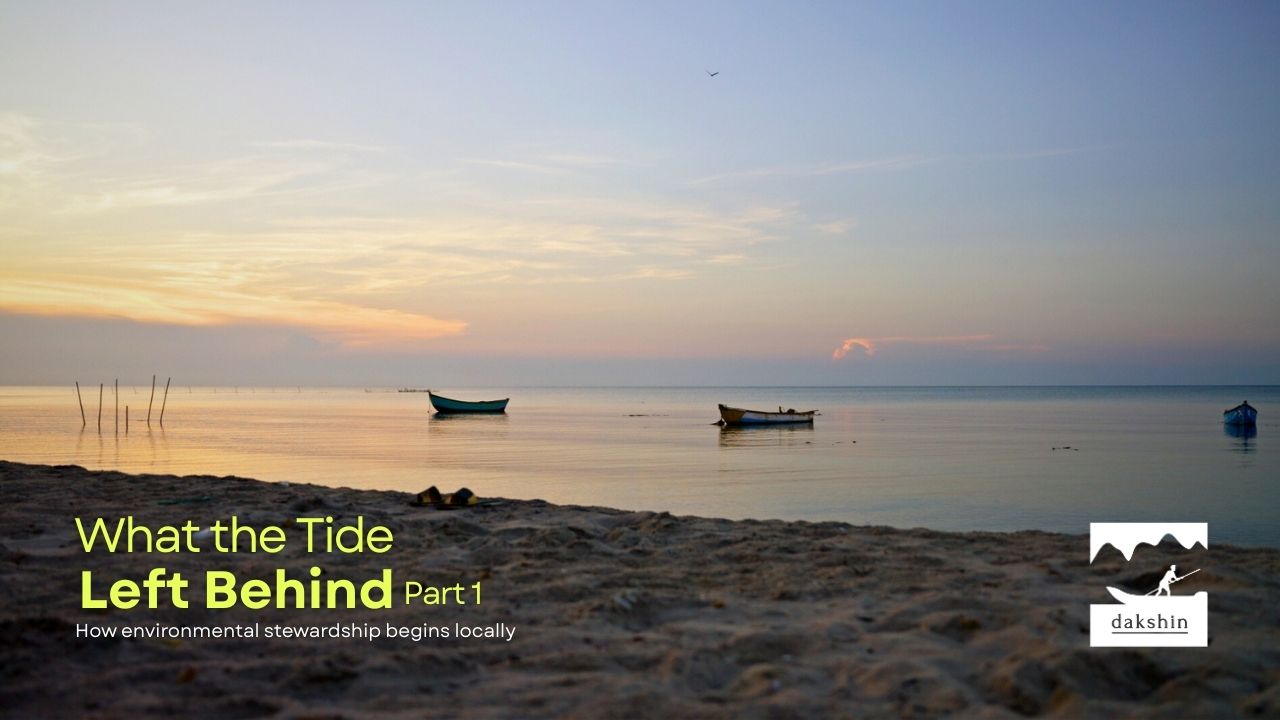
When Muthulakshmi grew up in Morpannai, the beach was part of daily life. Families mended nets there, children played, and the community gathered after long days at sea. Today, the same shoreline lies buried under layers of plastic waste.

What the Tide Left Behind follows Muthulakshmi, a fellow of Dakshin Foundation’s Coastal Grassroots Fellowship, as she documents this change and leads her village’s effort to clean and restore the coastline. With support from local youth and other fellows, she takes small but steady steps to make Morpannai litter-free. Her story highlights the impact of the Coastal Grassroots Fellowship, a year-long experiential programme that builds leadership among coastal women and enables them to lead sustainable development efforts in their own communities.

Watch the documentary here.

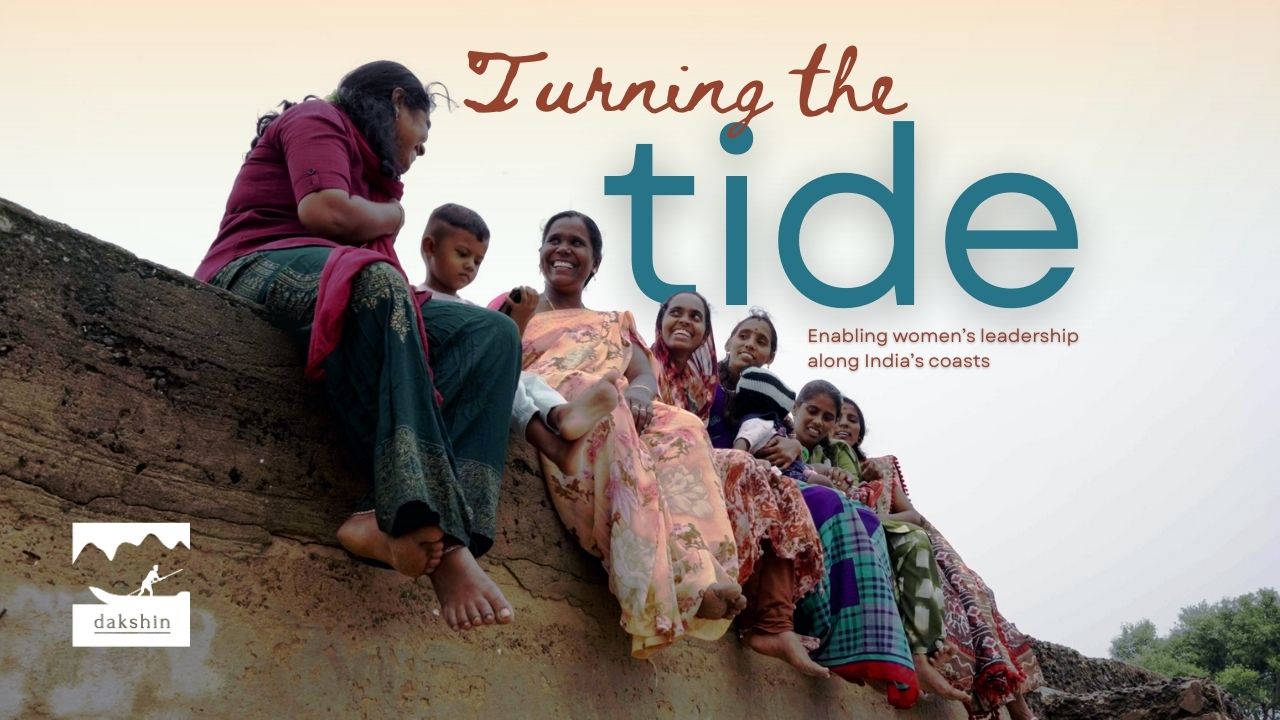
Across India’s coasts, women play a vital role in marine fisheries. Many support post-harvest work while also repairing and readying nets for the next day’s catch. Alongside this, they manage households, nurture their children, handle finances and the repayment of debts. Despite their indispensable role, their work often goes unrecognised by society and their voices remain absent from coastal governance.

Turning the Tide highlights Dakshin Foundation’s Coastal Grassroots Fellowship, an experiential programme that’s designed to help women from small-scale fishing families strengthen their leadership skills, build confidence and become spokespersons for their ecosystems and communities. Through the course of the fellowship, participants have mapped coastal commons, built community databases, documented village histories and initiated dialogues that bridge women, governance and conservation. Turning the Tide captures their stories of learning, collaboration and leadership, and how the fellowship is helping women find recognition, agency and a stronger voice within their communities. .

Watch the documentary here.

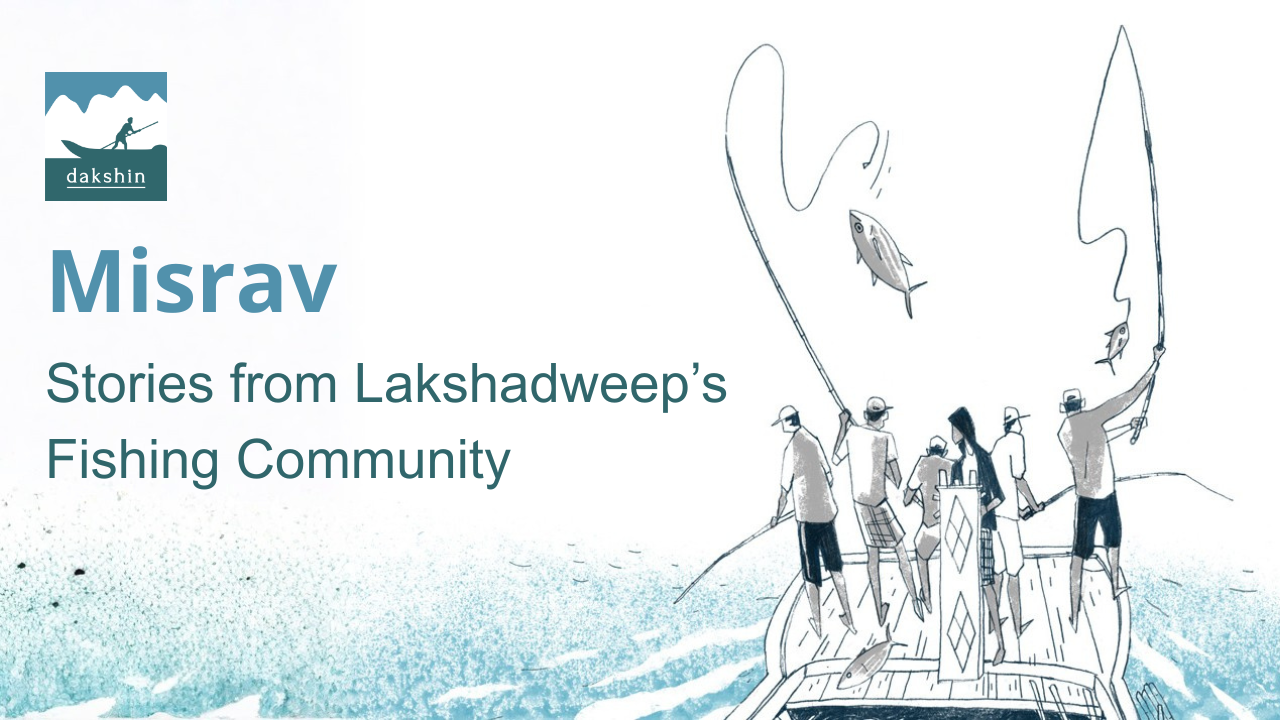
In the remote islands of Lakshadweep, fishing is not just a livelihood – it is an identity. Through the voices of fishers, the film traces the fragile balance between people and the sea. It explores how fishers practise pole and line fishing, a selective, low-impact method that uses marine resources responsibly, why baitfish are vital to the system, and how knowledge and patience once safeguarded the fishery’s future. It also highlights new challenges: unsustainable shifts such as night fishing, rising fuel costs, declining demand, and threats to coastal commons At its heart, Misrav is about more than fishing. It’s about the choices the fishers of Lakshadweep face between tradition, survival, and sustainability. By bringing fishers and government together, co-management can secure a future where Lakshadweep’s resources continue to sustain livelihoods, traditions, and ecosystems for generations to come.

Watch the documentary here.

Fishing Palk Bay

Bordering the hot Tamil hinterland, the Palk Bay on the southern Indian coast is a shallowest expanse of sea. Its natural and cultural wealth is legendary but is fast vanishing, from this space and from memory. Fishing Palk Bay, a 29-minute documentary film explores the breadth and depth of human ingenuity, skill and even the paradoxes that Palk Bay’s fishing communities produce each day, through the extraordinary science and art that is fishing.

The film was directed by Saravanakumar of Evanescence Studios and produced by Aarthi Sridhar of Dakshin Foundation. The underwater sequences were planned and shot by Umeed Mistry. The film has been screened at the Vatavaran Film Festival of 2017, at the Moving Waters Film Festival in 2016 and multiple screenings across India. Fishing Palk Bay was produced with funding from Deutsche Gesellschaft für Internationale Zusammenarbeit (GIZ) GmbH, New Delhi as part of the CMPA (Conservation and Sustainable Management of Coastal and Marine Protected Areas) project. Dakshin Foundation partnered with Evanescence Studios, the grant recipients, to research and produce the film.

Watch the documentary here.

Shifting Sands

Shifting Sands is a short film that tells the story of our ever changing coastlines, the need for regular monitoring of these dynamic coasts and how community initiatives can help generate much needed data on our evolving beaches.
– Directed by Priyanjana Dutta
– Produced by Dakshin Foundation
– Supported by the Duleep Matthai Nature Conservation Trust

Watch the Documentary on Dakshin’s Youtube channel: here
The stories of women living along diverse landscapes of Odisha’s 480 km coastline are that of coping with their circumstances and of struggles of survival. Confronting not just an overall scenario of depleting fish catch and unsustainable fisheries, women located along biodiversity rich habitats also have to contend with the fickleness of legal conservation restrictions which have dealt a severe blow to their livelihoods and way of life. Chronicles of Oblivion, directed by journalist and filmmaker Priyanjana Dutta, unearths the impacts of sea turtle conservation seen through the eyes of women fishworkers of Odisha. These women’s stories guide the narrative of the film revealing the unequal and invisible world of women fishworkers from Kendrapara and Ganjam, and the unaccounted labour of simultaneously coping with conservation and development impacts.

Funded by the Duleep Matthai Nature Conservation Trust, and produced by Dakshin Foundation, this short film won the Livelihoods Award and the Best Editing Award at the CMS Vatavaran Environment and Wildlife Film Festival and Forum, 2014.

Watch the movie on Dakshin’s Youtube channel: here